
The Problem of Victim-Blaming
𝐋𝐚𝐜𝐮𝐧𝐚 | 𝑱𝒆𝒐𝒏 𝑱𝒖𝒏𝒈𝒌𝒐𝒐𝒌This flow traces how institutions and individuals discredit survivors, and how testimony and evidence challenge that pattern.
increasing Bearing strength in each event
 decreasing
Bearing strength in each eventdecreasingA Friend’s Denial

A Friend’s Denial
Rejection by Madison
Madison does not believe Shelby when she names her father’s assault, turning a private betrayal into public isolation.
Rumor as punishment
Shelby is portrayed as a liar who tried to destroy a family, while the accused man retains social protection.
A School That Looks Away

A School That Looks Away
Institutional pressure
The Jefferson family’s influence and donations make school authorities reluctant to challenge them.
Silence enforced
Shelby’s complaint produces harassment instead of safety, illustrating how status can silence a victim.
The Lawyer’s Question
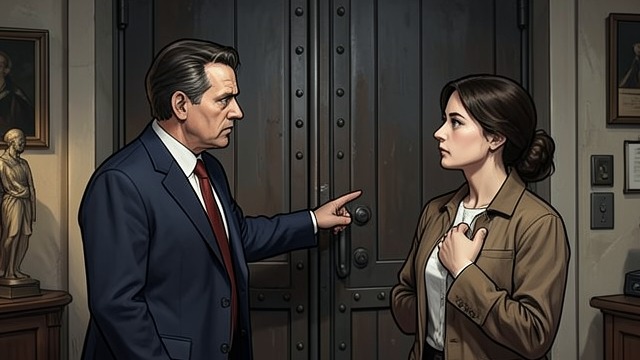
The Lawyer’s Question
A familiar tactic
The defense asks whether Shelby is seeking money, recasting testimony as opportunism.
A direct rebuttal
She explains how such suspicion makes real victims afraid to speak and unlikely to be believed.
Madison Changes Sides

Madison Changes Sides
Witnessing the truth
Madison says she has seen her father assault another woman and tried to report him.
A limited reconciliation
Shelby listens, but the new understanding does not erase the years of harm or restore their former friendship completely.
Collective Testimony
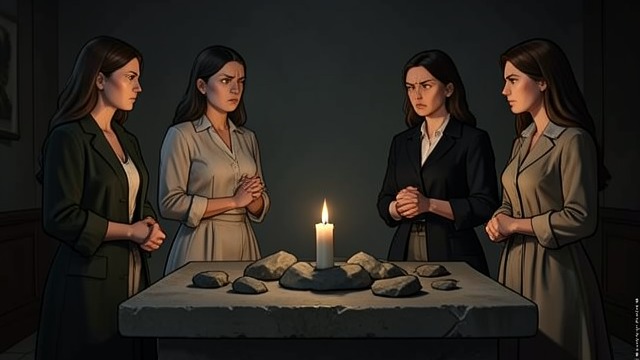
Collective Testimony
Several voices converge
Shelby, Dakota, Sandy, and other women contribute to the case against Jefferson.
A verdict becomes possible
Their accounts challenge the idea that one survivor must prove everything alone.
After Shelby’s assault, during high school
Weeks after Shelby’s high-school complaint
July, during the trial against Robert Jefferson
During the Los Angeles stay
At the final hearing in July
